Solar Jobs in America: The Industry That Employs More Than Coal
Genultimus Research Team
Genultimus
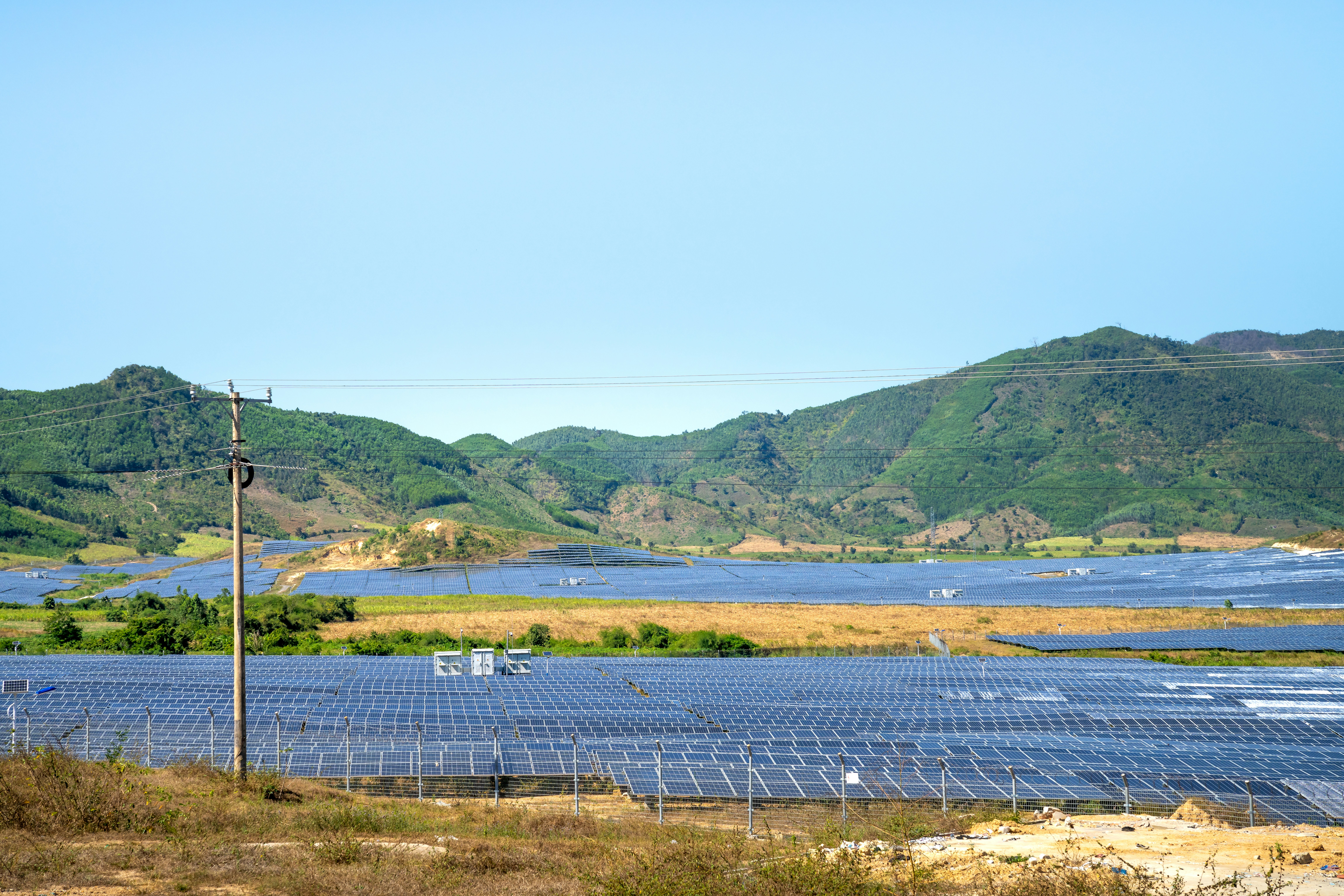
The United States solar industry has become a major employer, surpassing the coal mining sector in total jobs. According to the 2018 U.S. Energy and Employment Report (USEER) published by the U.S. Department of Energy, the solar industry employed approximately 242,000 workers in 2018 — compared to roughly 160,000 employed in coal mining and coal-fired power generation combined.
Solar Employment by the Numbers
The Solar Foundation's National Solar Jobs Census 2018 reported:
- 242,343 solar workers employed across the United States as of November 2018
- Solar employment grew at 167% between 2010 and 2018 — nearly 17 times faster than overall U.S. job growth
- 1 in 50 new U.S. jobs created in 2016 was in the solar industry
Where the Jobs Are
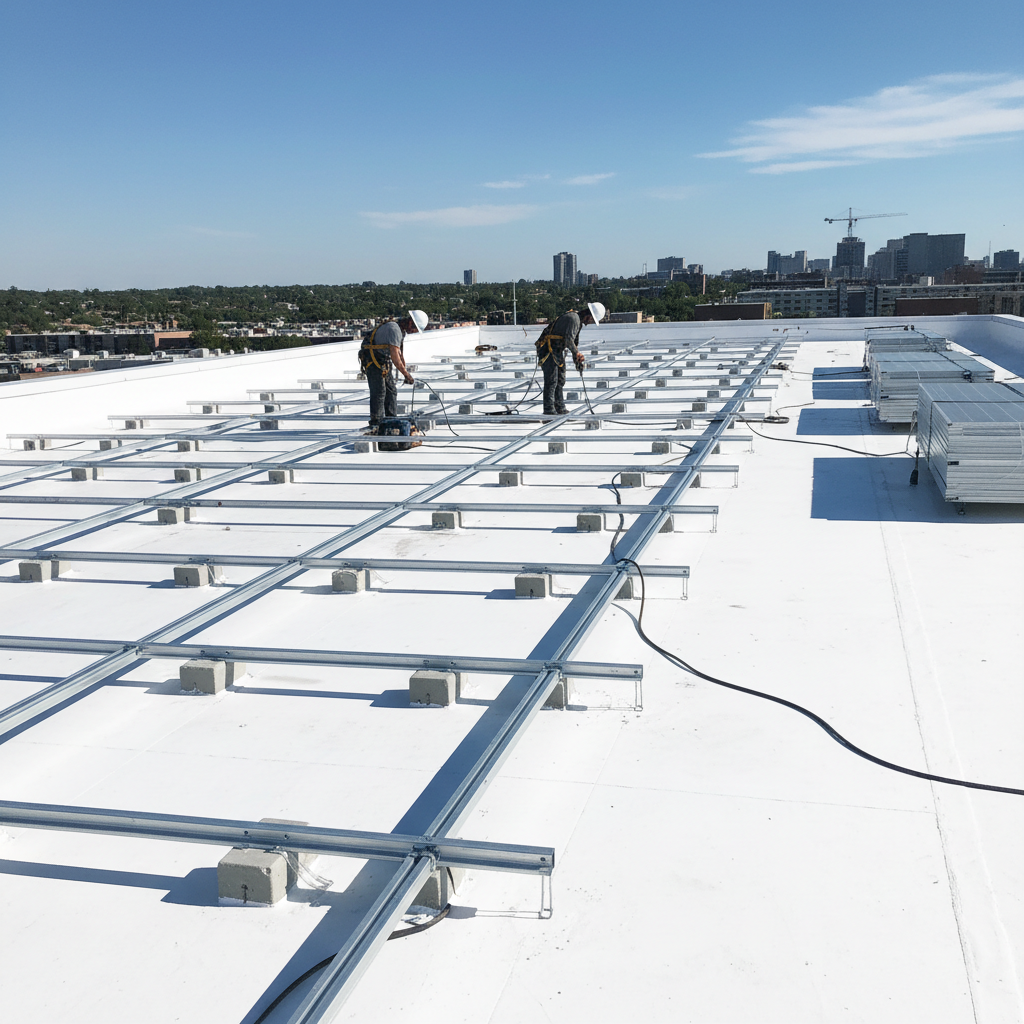
Solar employment is concentrated in installation and project development:
- Installation and project development: ~65% of all solar jobs
- Manufacturing: ~15%
- Sales and distribution: ~12%
- Operations and maintenance: ~8%
The top five states for solar employment in 2018 were California, Florida, Massachusetts, New York, and Texas — reflecting both strong solar markets and large overall workforces.
Wages and Career Pathways
Solar jobs pay competitive wages. According to the Solar Foundation:
- Solar installers earned a median hourly wage of $21.00 ($43,680 annually) in 2018
- Solar electricians earned a median of $25.50 per hour ($53,040 annually)
- Project managers and engineers earned $70,000–$120,000 annually
The Bureau of Labor Statistics projected that solar photovoltaic installer would be the fastest-growing occupation in the United States between 2016 and 2026, with projected growth of 105%.
The Tariff Challenge
In January 2018, the Trump administration imposed Section 201 tariffs of 30% on imported solar cells and modules, declining to 15% over four years. The Solar Energy Industries Association (SEIA) estimated the tariffs would add approximately $0.10 per watt to solar system costs and could result in the loss of 23,000 U.S. solar jobs in 2018.
Despite the tariffs, the industry remained resilient. Falling module prices from domestic and non-tariffed sources partially offset the impact, and strong state-level demand continued to drive installation activity.
Diversity in the Solar Workforce
The solar industry has made progress on workforce diversity, though challenges remain. The Solar Foundation's 2018 census found that 26% of solar workers identified as people of colour, compared to 22% in the broader U.S. workforce. However, women represented only 28% of the solar workforce — an area the industry identified as needing improvement.
The growth of solar employment represents one of the most tangible economic benefits of the clean energy transition, creating well-paying jobs in communities across the country.