Battery Storage 101: Should You Add a Home Battery?
Genultimus Research Team
Genultimus

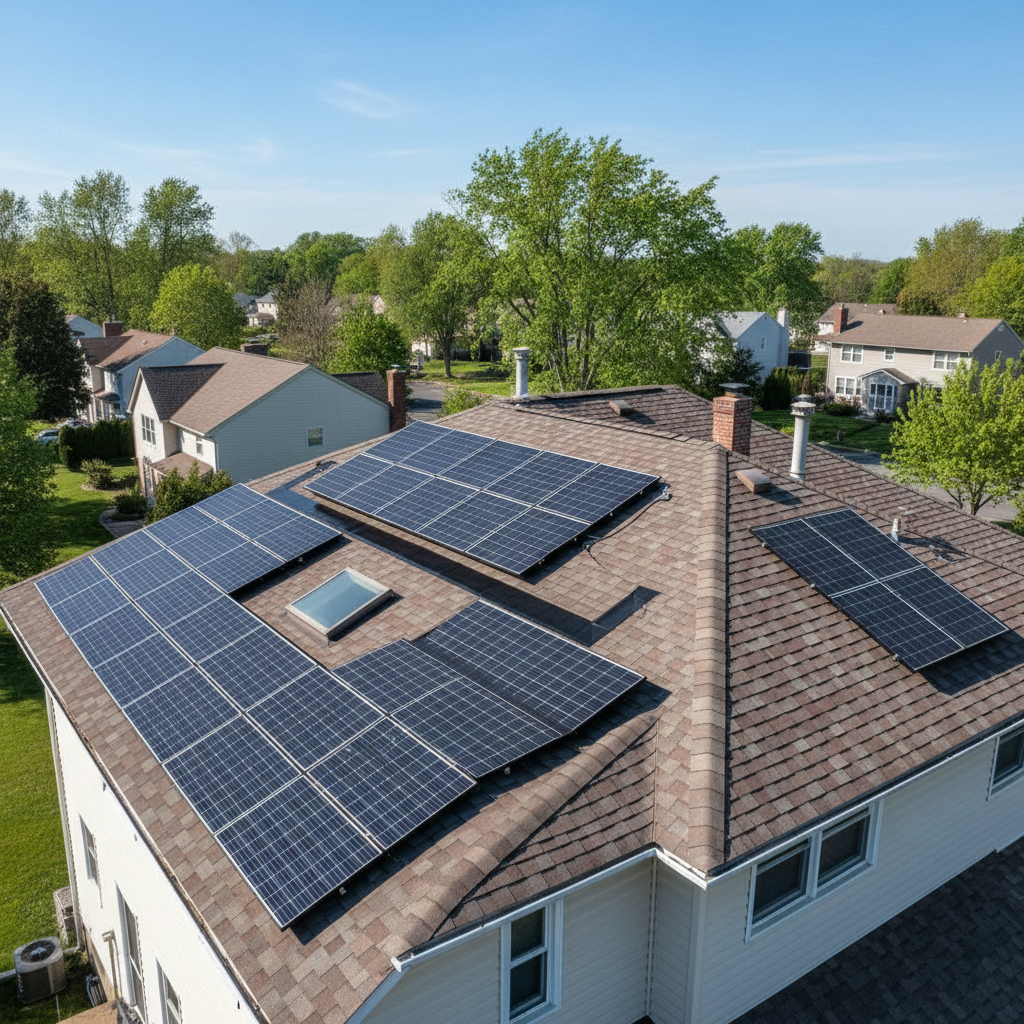
Battery storage is transforming the economics of home solar. By storing excess solar energy during the day and using it at night, homeowners can dramatically reduce their dependence on the grid.
How Home Batteries Work
A home battery system stores electricity generated by your solar panels. When your panels produce more electricity than you use, the excess charges the battery instead of being exported to the grid. At night or during cloudy periods, the battery discharges to power your home.
Key Specifications to Understand
Capacity (kWh)
This is how much energy the battery can store. A typical Indian household uses 8–12 kWh per day, so a 10 kWh battery could theoretically power your home overnight.
Power (kW)
This determines how many appliances you can run simultaneously from the battery. A 5 kW battery can power most household loads, but may struggle with high-draw appliances like air conditioners.
Round-Trip Efficiency
No battery is 100% efficient. Most lithium-ion batteries have a round-trip efficiency of 90–95%, meaning you get back 90–95% of the energy you put in.
Cycle Life
Batteries degrade over time. Most modern lithium-ion batteries are rated for 3,000–6,000 cycles, which translates to 8–15 years of daily use.
The Economics
As of 2019, a quality home battery system costs between ₹1,50,000 and ₹3,00,000 installed. The payback period depends on:
- Your electricity tariff
- How much solar you generate
- Your consumption patterns
- Available subsidies
For most households, the payback period is 7–12 years. However, the value of backup power during outages — common in rural India — is harder to quantify but very real.
Genultimus Recommendations
We recommend battery storage for:
- Households with frequent power outages
- Homes with high evening electricity consumption
- Properties where net metering is not available or has poor rates
Contact us for a personalised assessment.