How Rural Communities Cut Energy Costs by 35% Together
Ajith K Cyriac
Founder, Genultimus
When Genultimus was founded in 2017, one of our core beliefs was that renewable energy should not be a luxury available only to wealthy households. The cooperative model has proven that communities working together can achieve what individuals cannot.
The Cooperative Approach
A renewable energy cooperative pools the resources of multiple households or businesses to jointly own and operate a renewable energy system. The benefits are shared proportionally among members.
This model has several advantages:
- Lower per-unit costs through bulk purchasing
- Shared maintenance responsibilities and costs
- Collective bargaining power with utilities and government
- Community ownership of local energy infrastructure
Our First Cooperative: Palakkad District, 2017
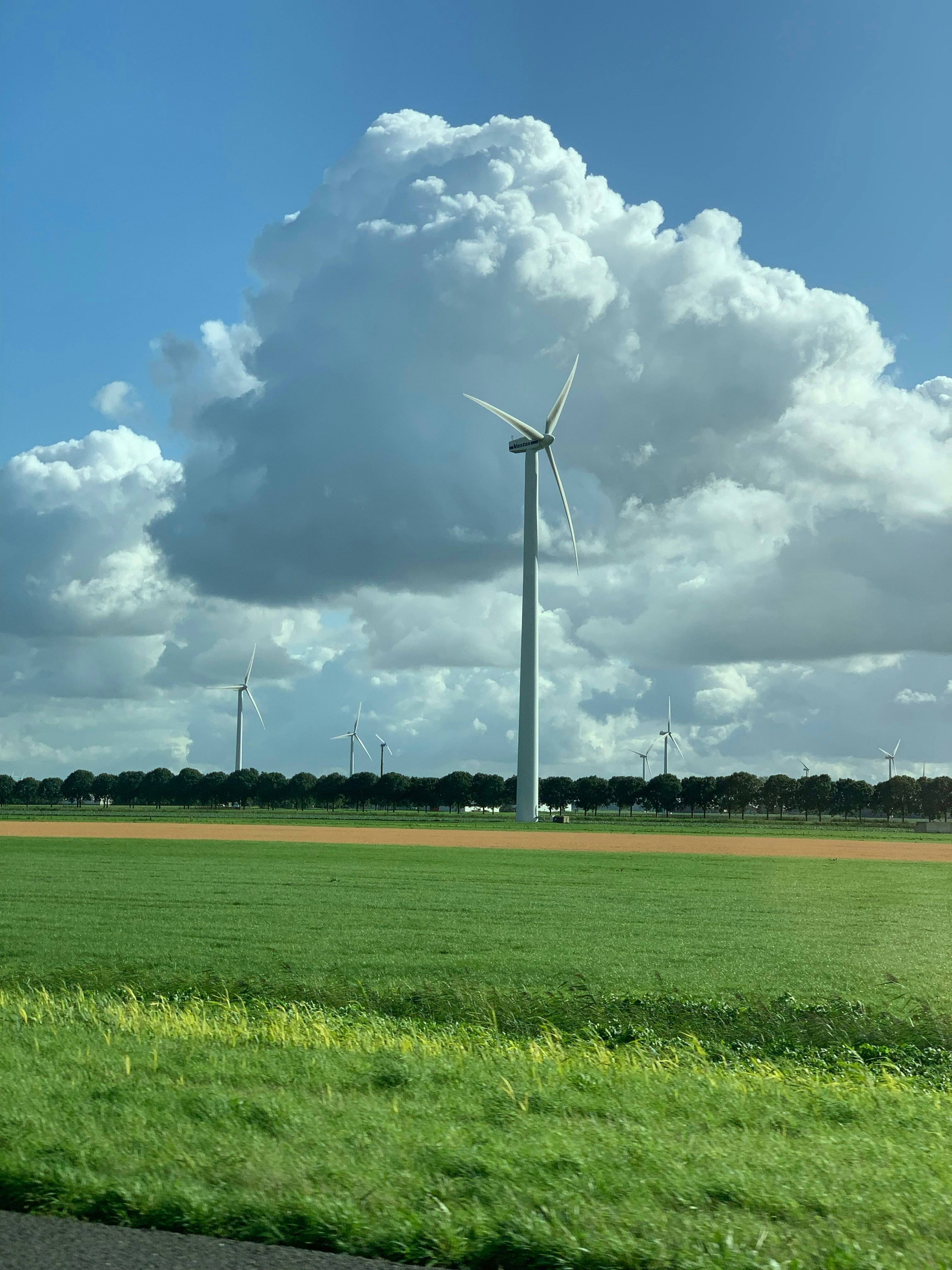
Our first cooperative wind project brought together 12 farming families in Palakkad district. Together, they installed a 50 kW wind turbine that now powers all their homes and irrigation pumps.
Results after two years:
- Energy costs reduced by 38% on average
- ₹2.4 lakh saved collectively in the first year
- Carbon footprint reduced by 45 tonnes CO₂ equivalent annually
Scaling the Model
By 2019, Genultimus had helped establish cooperatives in three districts. Our standardised approach includes:
- **Community assessment** — We evaluate wind and solar resources, existing energy use, and community readiness
- **Legal structure** — We help communities register as cooperative societies under the Kerala Cooperative Societies Act
- **Financing** — We connect cooperatives with NABARD loans, MNRE subsidies, and impact investors
- **Installation** — We manage the procurement and installation process
- **Ongoing support** — We provide training and technical support for system maintenance
Lessons Learned
The most important factor in a successful cooperative is not the technology — it is the community. Strong social bonds, clear governance structures, and transparent financial management are essential.
"We were neighbours before, but now we are partners. The cooperative has brought us closer together." — Cooperative member, Palakkad, 2019